


A typical Mumbai day can start early. You rush to catch the local. You spend hours commuting. Work takes over. Lunch may happen at your desk. Evening plans may mean tea and snacks. Dinner may happen late because you reached home after 9 or 10 pm. It is a routine many Mumbaikars know well. But can this daily lifestyle affect your liver?
It can, especially when several unhealthy habits come together over time.
Long sitting hours, low physical activity, frequent restaurant or takeaway meals, excess sugar and fat, alcohol, being overweight, and poor sleep can all contribute to metabolic health problems. These factors can also increase the risk of liver conditions such as metabolic dysfunction-associated steatotic liver disease (MASLD), commonly known as fatty liver disease.
The good news is that many of these factors can be changed. And if you know what to watch for, a simple Liver Function Test (LFT) can provide useful information about your liver health.
Why should your daily routine matter to your liver?
Your liver works around the clock.
It helps process nutrients, makes important proteins, handles waste products and supports many of the body’s essential functions.
Your everyday habits can affect this workload.
Think about a routine like this:
- You sit for most of the day at work.
- Your commute adds another two or three hours of sitting.
- Breakfast is skipped or replaced with tea and biscuits.
- Lunch is something quick from outside.
- Evening snacks are fried or sugary.
- Dinner is late and heavy.
- Weekends involve alcohol or more eating out.
- Exercise keeps getting pushed to “tomorrow.”
One day of this is not the problem. The concern is when this becomes your routine for months or years. Unhealthy diet, physical inactivity, excess body weight, high blood sugar and harmful alcohol use are recognised health risk factors. These factors can occur together and affect metabolic health. This is where liver health can enter the picture.
Fatty liver may not give you obvious symptoms
One important point is easy to miss.
Liver disease does not always cause symptoms in the early stages.
For example, steatotic liver disease can develop with few or no noticeable symptoms. Some people discover it only after a routine blood test or an ultrasound. So, feeling fine does not always mean your liver is fine.
At the same time, symptoms do not automatically mean you have liver disease. Tiredness after a long Mumbai commute could simply be tiredness. Indigestion after a heavy meal does not necessarily mean a liver problem. The important thing is to look at the pattern.

Common symptoms you should not ignore
Some symptoms can occur with liver problems.
These include:
- Persistent tiredness or weakness
- Loss of appetite
- Nausea or vomiting
- Pain or discomfort in the upper right side of the abdomen
- Yellowing of the eyes or skin
- Dark-coloured urine
- Pale or unusually light-coloured stools
- Persistent itching
- Swelling in the abdomen
- Swelling in the legs or ankles
These symptoms can have many causes. They are not proof of liver disease on their own. But they are worth discussing with a doctor, particularly if they persist or occur together.
A simple way to be more aware
Do not just ask, “Am I tired?” Ask yourself: Has something changed?
For example:
- Am I unusually tired for several weeks?
- Has my appetite changed?
- Have I noticed dark urine?
- Are my eyes looking yellow?
- Have I developed persistent itching?
- Do I have repeated abdominal discomfort?
- Has my weight increased significantly?
- Do I drink alcohol regularly?
- Do I have diabetes, high cholesterol or high blood pressure?
- Am I taking medicines or supplements regularly?
These questions give your doctor useful context.
When should you consider an LFT?
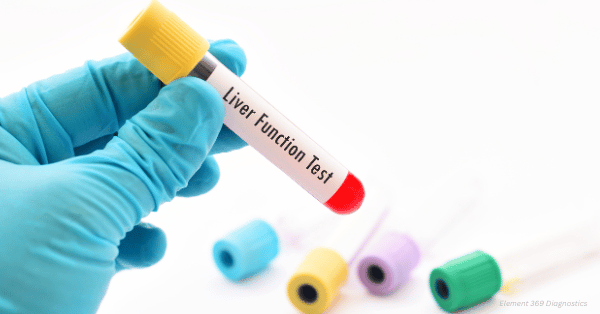
A Liver Function Test, or LFT, is a group of blood tests used to assess different aspects of liver health.
You may also see it called:
- Liver function panel
- Liver profile
- Hepatic function panel
- Liver blood test
An LFT commonly includes tests such as ALT, AST, ALP, GGT, bilirubin, albumin and total protein. Some panels may also include other tests, such as prothrombin time or INR. Doctors may recommend an LFT when symptoms suggest a possible liver problem. It may also be used to monitor an existing liver condition or check for possible effects of certain medicines.
But there is one important thing to remember: An LFT is not a diagnosis by itself.
An abnormal result does not automatically mean you have liver disease. Doctors look at the complete pattern, your symptoms, medical history, medicines and other risk factors. Sometimes additional blood tests or imaging may be needed.
How to read the common LFT markers
Your LFT report may look confusing at first.
You may see numbers next to terms such as ALT, AST, ALP and bilirubin. Here is a simple guide.
1. ALT: Alanine Aminotransferase
ALT is an enzyme found mainly in the liver.
When liver cells are damaged, ALT can enter the bloodstream.
So, a high ALT level can be a sign of liver injury. But the number alone cannot tell you the exact cause or how much liver damage has occurred.
Ask your doctor:
“My ALT is above the laboratory range. What could be causing it in my case?”
Also ask:
“Should we repeat the ALT test?”
“Could any medicine, supplement, alcohol use or recent illness be affecting this result?”
2. AST: Aspartate Aminotransferase
AST is another enzyme that can rise when cells are damaged.
But AST is not found only in the liver. It is also present in muscles and other tissues.
That means a high AST level does not automatically point to a liver problem. Your doctor will usually interpret it alongside ALT and other results.
Ask your doctor:
“My AST is high. Does the pattern of AST and ALT suggest a liver-related cause?”
If you exercise intensely, have muscle problems, or take certain medicines, mention that too.
3. ALP: Alkaline Phosphatase
ALP can provide information about the liver and bile ducts.
However, ALP is also found in bones.
So, a high ALP does not necessarily mean the problem is in the liver. Your doctor may need to look at other tests, including GGT, and your symptoms to understand the result.
Ask your doctor:
“Is my raised ALP likely to be coming from the liver or somewhere else?”
“Do I need any additional tests or imaging?”
4. GGT: Gamma-Glutamyl Transferase
GGT is a sensitive marker for liver and bile duct stress. It often rises with regular alcohol use, fatty liver, certain medicines, and bile duct problems.
- If GGT is high and ALP is also high, think bile duct issues (gallstones, cholestasis).
- If GGT is high but ALT/AST are normal, common causes are alcohol, fatty liver, or enzyme-inducing medicines.
- GGT alone cannot diagnose alcohol use disorder. It reflects regular intake over weeks, not a single night.
Ask your doctor:
- “Is my GGT rise likely from alcohol, fatty liver, medicines, or bile ducts?”
- “Do I need to repeat GGT after avoiding alcohol and reviewing supplements?”
- “Should we check ALP, bilirubin, and do an ultrasound if GGT stays high?”
5. Bilirubin (Total, Direct, Indirect)
Bilirubin is a waste product from red blood cells. The liver processes it and sends it into bile. High levels can cause yellow eyes/skin (jaundice).
- Total bilirubin: overall level. Typical adult range is about 0.1–1.2 mg/dL.
- Direct (conjugated) bilirubin: processed by the liver. High direct bilirubin points to liver injury or blocked bile flow.
- Indirect (unconjugated) bilirubin: not yet processed. High indirect can be due to Gilbert’s syndrome (common, usually benign), hemolysis, or early liver issues.
Patterns that matter:
- High direct + high ALP/GGT + itching: likely bile duct problem.
- High indirect with normal other LFTs and no symptoms: often Gilbert’s syndrome.
- High total with high ALT/AST: liver cell injury (hepatitis, fatty liver, alcohol, drugs).
Ask your doctor:
- “Is my bilirubin high because of direct, indirect, or both?”
- “Could this be Gilbert’s syndrome, or do I need imaging for bile ducts?”
- “Do my other LFTs suggest liver injury or just a processing issue?”
6. Albumin and Total Protein
Albumin is a protein made by the liver. It helps keep fluid in blood vessels and carries hormones and drugs. Total protein includes albumin plus other proteins.
- Low albumin can mean chronic liver disease, poor nutrition, kidney loss, or inflammation.
- Normal albumin with abnormal enzymes often means early or mild liver issues.
- Very low albumin or low total protein with other abnormal LFTs can suggest advanced or long-standing liver dysfunction.
Ask your doctor:
- “Is my albumin low enough to suggest chronic liver disease, or could it be nutrition/kidney related?”
- “Do I need tests for kidney protein loss or inflammation markers?”
- “Should we repeat albumin after improving diet and treating any liver issue?”
7. PT/INR (Prothrombin Time / International Normalized Ratio)
PT measures how long your blood takes to clot. INR standardizes PT across labs. The liver makes clotting factors, so PT/INR is a sensitive marker of severe liver dysfunction.
- High INR (or prolonged PT) can mean the liver is not making clotting factors well. This is more serious than enzyme changes alone.
- INR can also rise with vitamin K deficiency, warfarin use, or severe illness.
- In acute liver injury, a rising INR is a red flag and needs urgent review.
Ask your doctor:
- “Is my INR elevated due to liver dysfunction, vitamin K, or medicines like warfarin?”
- “Do I need vitamin K, repeat testing, or urgent imaging?”
- “If INR is high with other abnormal LFTs, should I see a liver specialist urgently?”
Putting it together in a Mumbai context
- Weekend drinks + high GGT + normal ALT/AST: think alcohol effect or fatty liver. Cut back and retest in 4–6 weeks.
- High ALP + high GGT + high direct bilirubin + itching: think bile duct block (gallstones). Ask for ultrasound.
- Low albumin + high INR + abnormal enzymes: possible chronic or severe liver issue. Seek specialist care.
- Isolated high indirect bilirubin, otherwise well: likely Gilbert’s. Usually no treatment needed.
Your routine shapes these numbers. The right questions help your doctor connect your Mumbai lifestyle to your LFT pattern—and build a plan that works.
Simple steps to protect your liver in Mumbai
- Eat earlier: Finish dinner by 8–9 pm. Avoid heavy, oily late-night meals.
- Move daily: 30 minutes brisk walk, even post-dinner. Add 2 days of strength work weekly.
- Cut weekend binge: Keep alcohol light and infrequent. Hydrate well.
- Review meds: Limit paracetamol. Avoid unknown herbal powders and gym supplements.
- Sleep 7–8 hours: Protect your liver’s repair cycle.
- Get screened: If you have risk factors (overweight, diabetes, high triglycerides, regular alcohol), do an LFT once a year.
When to seek help urgently
Go to a doctor quickly if you notice:
- Yellow eyes/skin with dark urine
- Severe right-side abdominal pain with fever
- Confusion, extreme sleepiness, or vomiting blood
- Rapid belly or leg swelling
Your daily Mumbai routine can affect your liver—but it can also protect it. Small, consistent changes and smart use of LFT tests make a big difference.


Leave a Reply